- Services
- Rise In Creatinine
- Leakage Of Protein In Urine ( Nephrotic/Nephritic Syndrome)
- Blood In Urine
- Rapidly Progressive Renal Failure
- High Blood Pressure (Hypertension) & Its Related Kidney Complications
- Diabetes & It's Related Kidney Complications
- Acute Kidney Injury
- Chronic Kidney Injury & Its Complications
- Kidney Dialysis Therapy (Hemodialysis And Peritoneal Dialysis)
- Glomerulonephritis
- Kidney Stone & It’s Medical Management
- Urinary Tract Infection
- Prostate Related Problems
- Kidney Transplant & It’s Complications
- Interventional Nephrology - Renal Biopsy - Dialysis Catheter (Temporary & Tunnelled Catheters)
- Critical Care Nephrology (ICU Related Kidney Disorders)
- Fluids & Electrolyte Disorders
- Acid Base Disorder
- Onconephrology (Cancer Related Kidney Disorders)
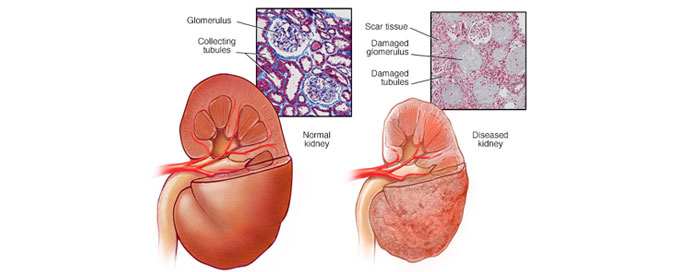
Diabetes & It's Related Kidney Complications
Diabetes, especially when not well-managed, can lead to various complications, and one of the significant complications is related to the kidneys. Here's an overview of diabetes and its associated kidney complications.
1. Diabetic Nephropathy
- Definition: Diabetic nephropathy is kidney damage caused by diabetes. It is a progressive condition that can lead to chronic kidney disease (CKD) and, ultimately, end-stage renal disease (ESRD).
- Mechanism: High levels of blood glucose over time can damage the small blood vessels in the kidneys (glomeruli), affecting their ability to filter waste products from the blood.
2. Symptoms
- In the early stages, diabetic nephropathy may not cause noticeable symptoms. However, as it progresses, symptoms may include increased protein in the urine (proteinuria), elevated blood pressure, fluid retention (edema), and a gradual decline in kidney function.
3. Risk Factors
- Poorly controlled diabetes, particularly over an extended period, is a significant risk factor for diabetic nephropathy. Other factors include genetics, high blood pressure, and smoking.
4. Prevention and Management
- Blood Glucose Control: Tight control of blood glucose levels is crucial in preventing and slowing the progression of diabetic nephropathy.
- Blood Pressure Management: Controlling high blood pressure is also essential. Medications such as angiotensin-converting enzyme (ACE) inhibitors or angiotensin II receptor blockers (ARBs) are often prescribed.
- Lifestyle Modifications: Lifestyle changes, including a healthy diet, regular exercise, and avoiding tobacco, can contribute to better kidney health.
5. Regular Monitoring
- Regular monitoring of kidney function through blood and urine tests is essential for individuals with diabetes. Early detection of any signs of kidney complications allows for timely intervention.
6. End-Stage Renal Disease (ESRD)
- If diabetic nephropathy progresses to ESRD, individuals may require dialysis or kidney transplantation for survival.
It's important for individuals with diabetes to work closely with healthcare professionals to manage their condition effectively and reduce the risk of complications. Regular medical check-ups, adherence to prescribed medications, and a healthy lifestyle are key components of diabetes care to prevent or mitigate kidney complications.