- Services
- Rise In Creatinine
- Leakage Of Protein In Urine ( Nephrotic/Nephritic Syndrome)
- Blood In Urine
- Rapidly Progressive Renal Failure
- High Blood Pressure (Hypertension) & Its Related Kidney Complications
- Diabetes & It's Related Kidney Complications
- Acute Kidney Injury
- Chronic Kidney Injury & Its Complications
- Kidney Dialysis Therapy (Hemodialysis And Peritoneal Dialysis)
- Glomerulonephritis
- Kidney Stone & It’s Medical Management
- Urinary Tract Infection
- Prostate Related Problems
- Kidney Transplant & It’s Complications
- Interventional Nephrology - Renal Biopsy - Dialysis Catheter (Temporary & Tunnelled Catheters)
- Critical Care Nephrology (ICU Related Kidney Disorders)
- Fluids & Electrolyte Disorders
- Acid Base Disorder
- Onconephrology (Cancer Related Kidney Disorders)
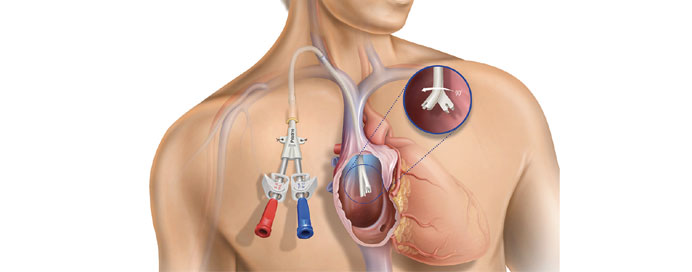
Interventional Nephrology - Renal Biopsy - Dialysis Catheter (Temporary & Tunnelled Catheters)
Renal Biopsy
Renal biopsy is a diagnostic procedure in which a small piece of kidney tissue is extracted for examination under a microscope. It helps in diagnosing the cause of kidney diseases and guiding appropriate treatment.
Procedure
1. Preparation- Before the biopsy, blood tests and imaging may be done to assess kidney function and identify the best location for the biopsy.
- Local anesthetic is administered to numb the area where the biopsy needle will be inserted.
- A biopsy needle is inserted through the skin and muscle into the kidney to obtain a tissue sample.
- After the procedure, patients are monitored for a few hours to ensure there are no complications.
Complications
Complications are rare but can include bleeding, infection, or damage to surrounding structures.
Dialysis Catheters
Dialysis catheters are used to provide access for hemodialysis in individuals with kidney failure.
Temporary Catheters
1. Insertion- Temporary catheters are typically inserted into large veins near the neck, chest, or groin.
- They can be used immediately for dialysis.
- Temporary catheters are not intended for long-term use and are often replaced with more permanent access options.
Tunnelled Catheters
1. Insertion- Tunnelled catheters are inserted under the skin and tunneled to a larger vein, usually in the chest.
- These catheters are designed for longer-term use.
- Tunnelled catheters have a reduced risk of infection compared to temporary catheters.
Complications of Dialysis Catheters
- Infection: Catheter-related infections are a significant concern and can lead to serious complications.
- Blood Clots: Catheters can contribute to the formation of blood clots.
- Malfunction: Catheters may become displaced or clogged.
Preventive Measures
- Strict Hygiene: Proper hygiene during catheter care is crucial to prevent infections.
- Regular Monitoring: Routine checks and monitoring help detect and address potential issues early.
Conclusion
Interventional nephrology plays a crucial role in both diagnosing kidney conditions through renal biopsy and providing essential access for dialysis through catheters. While these procedures can greatly improve patient outcomes, careful management and monitoring are essential to minimize complications and optimize long-term success.