- Services
- Rise In Creatinine
- Leakage Of Protein In Urine ( Nephrotic/Nephritic Syndrome)
- Blood In Urine
- Rapidly Progressive Renal Failure
- High Blood Pressure (Hypertension) & Its Related Kidney Complications
- Diabetes & It's Related Kidney Complications
- Acute Kidney Injury
- Chronic Kidney Injury & Its Complications
- Kidney Dialysis Therapy (Hemodialysis And Peritoneal Dialysis)
- Glomerulonephritis
- Kidney Stone & It’s Medical Management
- Urinary Tract Infection
- Prostate Related Problems
- Kidney Transplant & It’s Complications
- Interventional Nephrology - Renal Biopsy - Dialysis Catheter (Temporary & Tunnelled Catheters)
- Critical Care Nephrology (ICU Related Kidney Disorders)
- Fluids & Electrolyte Disorders
- Acid Base Disorder
- Onconephrology (Cancer Related Kidney Disorders)
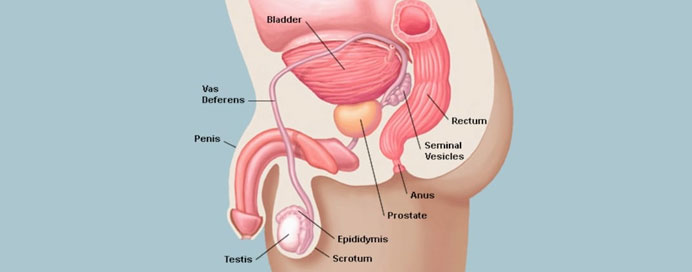
Prostate Related Problems
Ah, the prostate—a small but mighty gland that can cause some not-so-fun issues. Let's chat about prostate-related problems and how they're managed.
Prostate Enlargement (Benign Prostatic Hyperplasia - BPH)
As men age, the prostate gland often enlarges, causing a condition known as BPH. Symptoms may include:
- Frequent urination
- Difficulty starting or stopping urination
- Weak urine stream
- Incomplete emptying of the bladder
Management
1. Medications- Alpha-blockers: These relax the muscles around the prostate and bladder, making it easier to urinate.
- 5-alpha reductase inhibitors: These medications can help shrink the prostate over time.
- Transurethral Microwave Thermotherapy (TUMT) or Transurethral Needle Ablation (TUNA): These procedures use heat to destroy excess prostate tissue.
- Transurethral Resection of the Prostate (TURP): This is a common surgical procedure to remove excess prostate tissue.
Prostatitis
This is an inflammation of the prostate gland, often caused by infection.
Symptoms
- Pelvic pain or discomfort
- Painful urination
- Fever and chills (if bacterial)
Management
1. Antibiotics- If the inflammation is caused by bacteria, a course of antibiotics is prescribed.
- Pain relievers may be recommended to alleviate discomfort.
- In some cases, these may be prescribed to help relax the muscles around the prostate.
Prostate Cancer
Prostate cancer is the second most common cancer in men.
Management
1. Active Surveillance- For slow-growing tumors, the approach may involve regular monitoring without immediate treatment.
- Radical Prostatectomy: Removal of the entire prostate gland.
- External Beam Radiation or Brachytherapy: Using radiation to target and kill cancer cells.
- Reducing testosterone levels to slow the growth of prostate cancer cells.
Preventive Measures
- Regular Prostate Screenings: Discuss with your doctor when to start screenings for prostate cancer, including PSA (prostate-specific antigen) blood tests and digital rectal exams.
Remember, the best approach to any prostate-related issue is early detection and personalized medical advice. If you or someone you know is experiencing symptoms, it's crucial to consult a healthcare professional for proper evaluation and guidance.