- Services
- Rise In Creatinine
- Leakage Of Protein In Urine ( Nephrotic/Nephritic Syndrome)
- Blood In Urine
- Rapidly Progressive Renal Failure
- High Blood Pressure (Hypertension) & Its Related Kidney Complications
- Diabetes & It's Related Kidney Complications
- Acute Kidney Injury
- Chronic Kidney Injury & Its Complications
- Kidney Dialysis Therapy (Hemodialysis And Peritoneal Dialysis)
- Glomerulonephritis
- Kidney Stone & It’s Medical Management
- Urinary Tract Infection
- Prostate Related Problems
- Kidney Transplant & It’s Complications
- Interventional Nephrology - Renal Biopsy - Dialysis Catheter (Temporary & Tunnelled Catheters)
- Critical Care Nephrology (ICU Related Kidney Disorders)
- Fluids & Electrolyte Disorders
- Acid Base Disorder
- Onconephrology (Cancer Related Kidney Disorders)
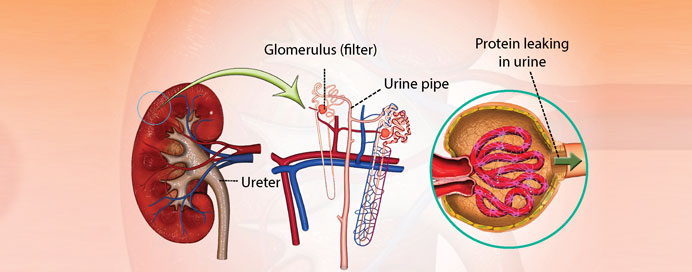
Leakage Of Protein In Urine ( Nephrotic/Nephritic Syndrome)
Protein leakage in the urine, known as proteinuria, is a common sign of kidney dysfunction. There are two main syndromes associated with proteinuria: nephrotic syndrome and nephritic syndrome. Let's delve into each briefly.
1. Nephrotic Syndrome
- Definition: Nephrotic syndrome is a kidney disorder characterized by the leakage of significant amounts of protein, primarily albumin, into the urine.
- Symptoms: Edema (swelling), particularly in the legs and ankles, is a hallmark of nephrotic syndrome. Other symptoms may include fatigue, foamy urine (due to excess protein), and susceptibility to infections.
- Causes: Underlying causes can include various kidney diseases, such as minimal change disease, focal segmental glomerulosclerosis, and membranous nephropathy.
2. Nephritic Syndrome
- Definition: Nephritic syndrome is another kidney disorder marked by inflammation in the glomeruli (the filtering units of the kidneys), leading to blood and protein in the urine.
- Symptoms: Symptoms include hematuria (blood in the urine), hypertension, reduced urine output, and fluid retention. Unlike nephrotic syndrome, edema is less pronounced in nephritic syndrome.
- Causes: Conditions such as poststreptococcal glomerulonephritis, lupus nephritis, and IgA nephropathy can cause nephritic syndrome.
Both syndromes can have various underlying causes, and they may have different implications for kidney health. Diagnosis involves a combination of clinical evaluation, urine tests, blood tests, and sometimes kidney biopsy.
If you or someone you know is experiencing symptoms suggestive of either nephrotic or nephritic syndrome, it's crucial to seek medical attention promptly. Early diagnosis and appropriate management are essential for preserving kidney function and overall health.